

Typically, you’ve purchased a generator for use in case of emergency– so when an emergency does strike, and your generator isn’t working the way it should, the situation can get very frustrating very...

This interactive art installation is a study in magnetism Arduino Team — January 10th, 2023 Art is inherently subjective and its meaning varies from one person to the next. But many pieces have...

Location: Bengaluru Company: Hitachi At Hitachi Energy our purpose is advancing a sustainable energy future for all. We bring power to our homes, schools, hospitals and factories. Join us and work...
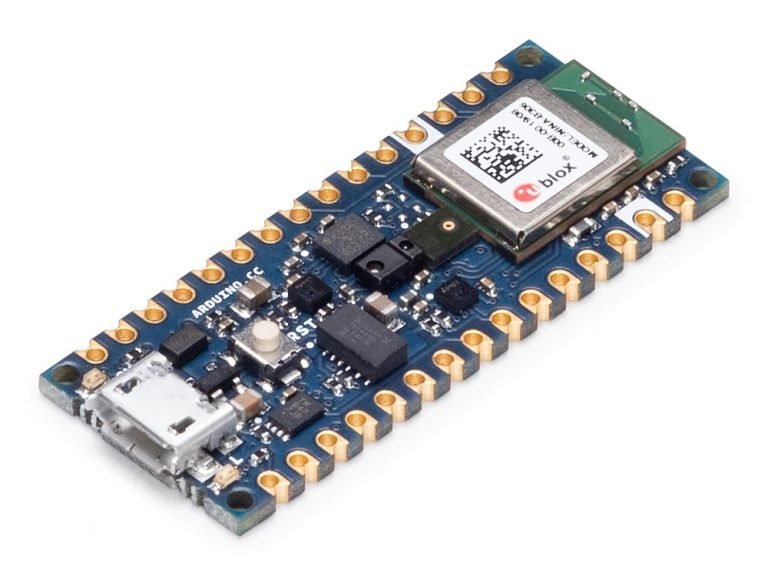
Tracking sleep quality with embedded ML and the Arduino Nano 33 BLE Sense Arduino Team — January 10th, 2023 Ensuring adequate and restful sleep is vital for maintaining good health, as decreases in...

A. Digi-Key has been in India for a long time, irrespective of whether we physically had a building or not. This year alone, we directly sold around $70 million worth of products from India through...
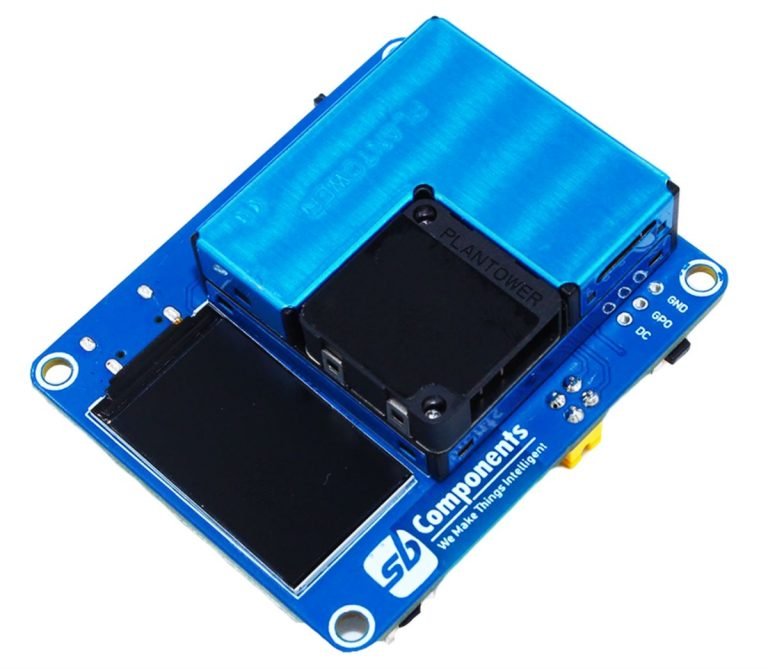
As you go about your day-to-day life, you probably have some vague understanding that there is air pollution around you. However, actually putting a number on how air quality changes from one day...

Researchers have developed a new memristors based Bayesian machine that could help to increase the energy-efficiency of AI models. An optical microscopy image of the complete Bayesian machine. Credit:...
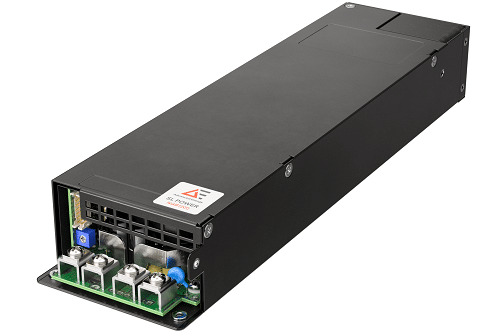
NGB800 800 W and NGB1200 1200 W are energy-efficient power supplies in compact form factors. The power supplies can operate at a wide input range from 85 – 264 VAC input and provide output voltages...
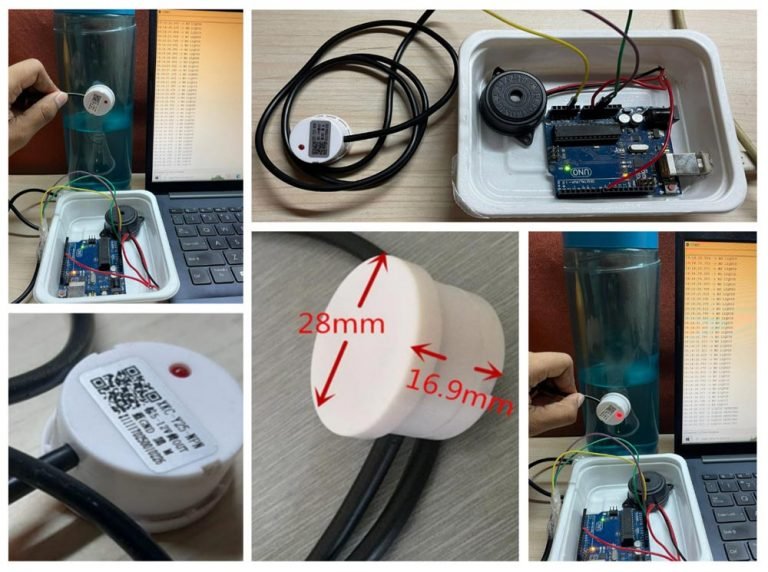
Comment errors or corrections found for this circuit, and get the chance to win big! The non-contact liquid level sensor uses the sensing capacitance of water to detect the presence of liquid...