
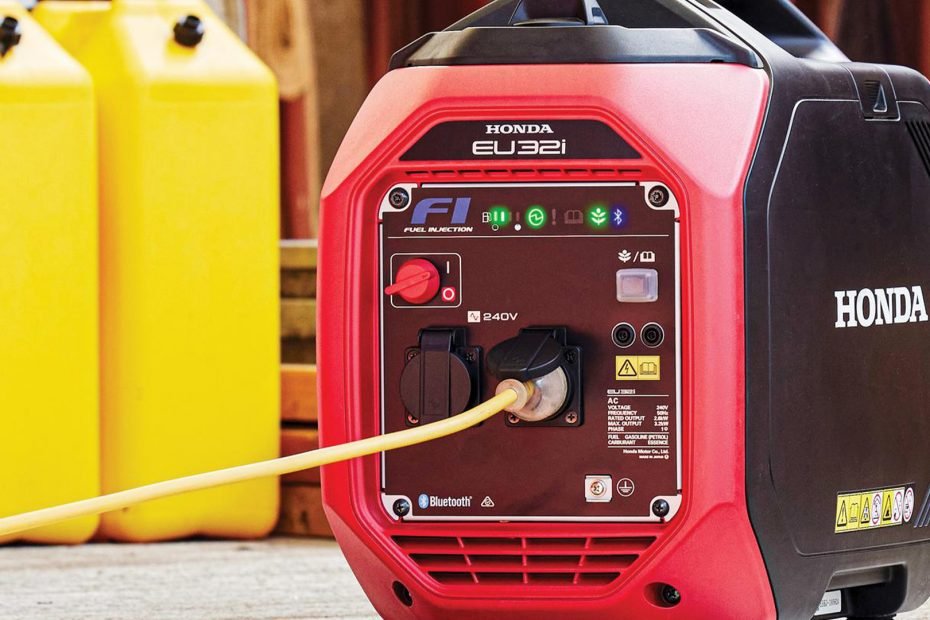
Generators are a critical piece of equipment for countless homes and businesses, providing essential backup power during outages, emergencies, and outdoor events. Ensuring your generator’s longevity and efficiency is vital to get the most out of your investment. This article will provide practical tips and advice to help you maintain your generator and keep it running smoothly for years to come.
Regularly Inspect Your Generator
Like any piece of machinery, your generator requires regular inspections to identify and address any potential issues. Start by conducting a visual inspection, looking for signs of wear, corrosion, or damage. Check for loose parts and frayed wires, and ensure all connections are secure. Regular inspections can help you spot minor problems before they become major issues.
Change the Oil and Filters
Changing the oil and filters in your generator is crucial for its long-term health. Check the manufacturer’s recommendations for the appropriate oil type and replacement intervals, which usually range from 50 to 100 operating hours for most generators. Replace the oil filter, as a clogged filter can negatively impact your generator’s efficiency and longevity.
Clean or Replace Air Filters
Clean air is essential for your generator’s performance. Clogged or dirty air filters can reduce efficiency and cause your generator to work harder, leading to increased wear and tear. Clean or replace your air filters as recommended by the manufacturer, typically every 100 operating hours or at least once a year.
Check and Replace Spark Plugs
Spark plugs play a crucial role in your generator’s ignition system. Over time, they can become fouled or worn, leading to reduced performance and potential starting problems. Inspect your spark plugs regularly and replace them if you notice any signs of wear, such as a damaged electrode or excessive carbon buildup.
Test the Battery
A generator’s battery is responsible for starting the engine, and a weak or dead battery can leave you without power when you need it most. Test your generator’s battery regularly, ideally every three months, to ensure it’s holding a charge and functioning properly. If your battery is consistently losing charge, it may be time to replace it.
Keep the Generator Clean
Dirt and debris can accumulate in and around your generator, potentially causing damage or hindering its performance. Keep your generator clean by wiping down the exterior surfaces and removing any debris that may have been collected in vents or other openings. A clean generator not only looks better but also operates more efficiently.
Exercise Your Generator
If you’re not using your generator frequently, it’s essential to “exercise” it by running it for about 30 minutes every month. This helps to prevent moisture buildup, lubricate the engine components, and recharge the battery. Regularly exercising your generator will ensure that it’s ready to perform when you need it most.
Store Your Generator Properly
When not in use, store your generator in a cool, dry, and well-ventilated area. This helps to prevent moisture buildup, which can lead to corrosion and other damage over time. If your generator is stored outdoors, invest in a high-quality cover to protect it from the elements.
Proper maintenance is the key to ensuring your generator’s longevity and efficiency. By following these tips and regularly inspecting your generator, you can enjoy the peace of mind that comes with knowing you have a reliable power source when you need it. For more information on generators and maintenance tips, visit Generator Place at www.generatorplace.com.au and follow us on social media for the latest updates and advice.